Bangladesh’s
The backbone of Bangladesh’s export economy—the ready-made garment (RMG) sector—is currently navigating one of its most challenging phases in recent years. Industry insiders, factory owners, and exporters are increasingly raising concerns over ongoing power shortages, which are significantly affecting production timelines and export commitments.
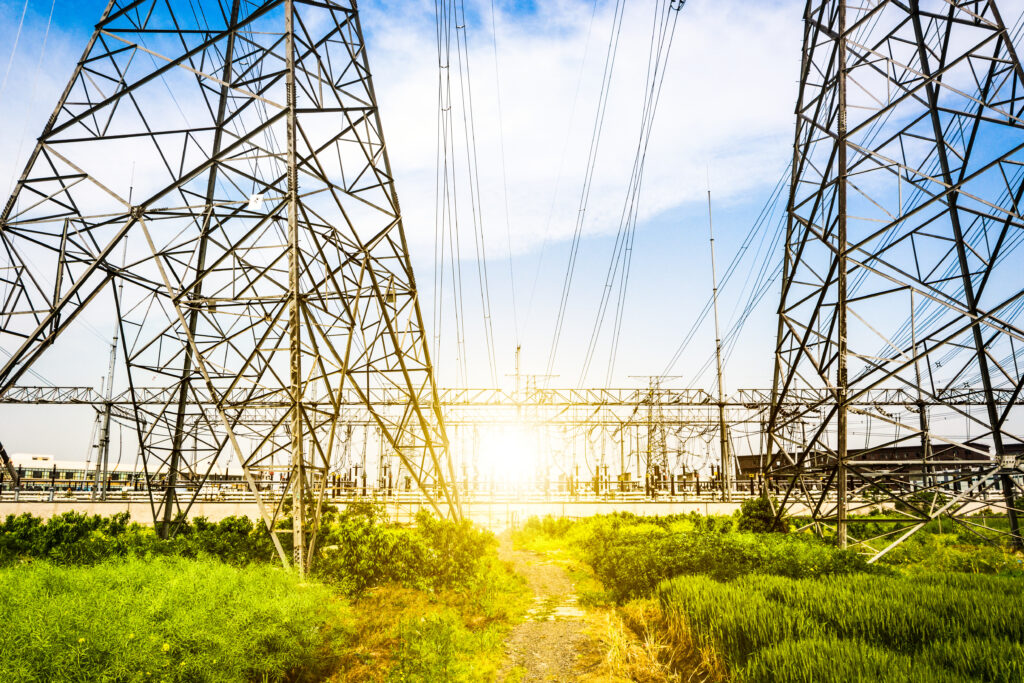
Across major industrial zones including Ashulia, Gazipur, and Narayanganj, factories are reportedly experiencing frequent electricity interruptions lasting several hours daily. In some cases, outages have extended up to six to eight hours, making it nearly impossible for factories to operate at full capacity.
As a result, many garment factories are now functioning at only 50–60% of their total production capacity. This decline is not just a temporary inconvenience—it is directly impacting Bangladesh’s global competitiveness in the apparel market.
Production Costs Rise, Profit Margins Shrink
The energy crisis has also triggered a sharp rise in operational costs. Factory owners are increasingly relying on diesel-powered generators to maintain production during outages. However, the rising cost and limited availability of fuel have added another layer of financial pressure.
Industry leaders estimate that production costs in the garment sector have surged by at least 20% in recent months.
Despite these rising costs, exporters are unable to adjust pricing due to pre-negotiated contracts with international buyers. This has led to shrinking profit margins and, in some cases, financial losses.
Export Deadlines at Risk
One of the most immediate concerns for exporters is the risk of shipment delays. Bangladesh has built its reputation as a reliable sourcing destination based on timely delivery. However, the current situation threatens that trust.
Exporters warn that if delays continue, global buyers may start shifting orders to competitor countries such as Vietnam, India, and Indonesia. This could have long-term consequences for Bangladesh’s position in the global apparel supply chain.
Global Pressure Adds to Domestic Challenges
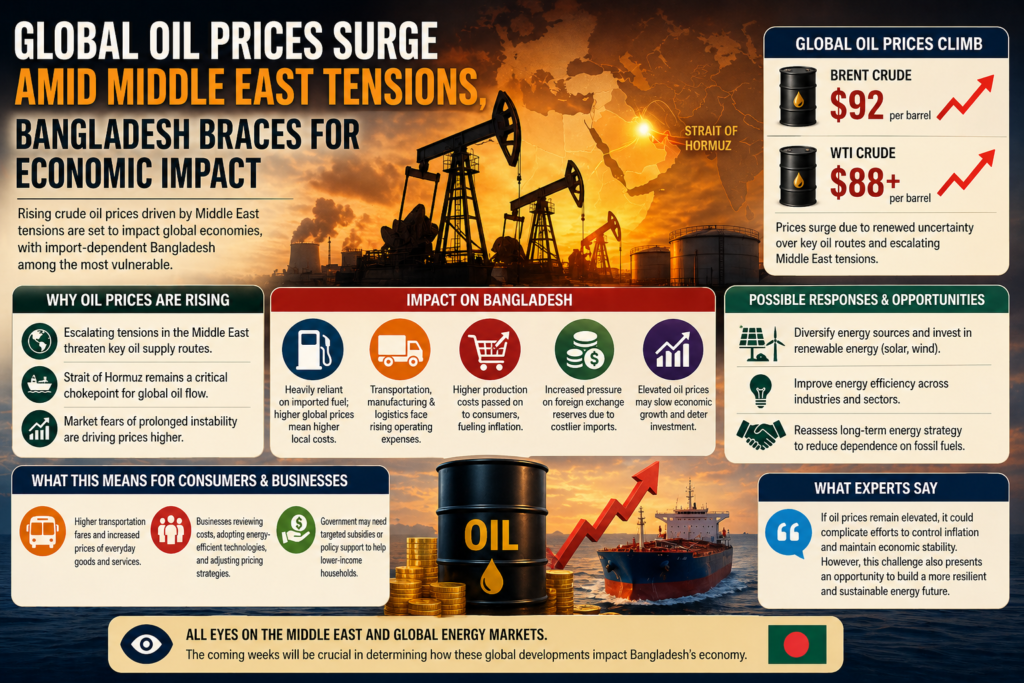
The situation is further complicated by global market dynamics. Rising fuel prices and disruptions in supply chains have increased the cost of raw materials such as polyester and dyes.
Recent global conflicts have also contributed to logistical challenges, increasing shipping times and expenses.
Industry Calls for Immediate Action
Industry associations are urging the government to prioritize uninterrupted power supply to industrial zones. They are also calling for policy support, including tax relief and financial incentives, to help factories cope with rising costs.
Experts believe that ensuring energy stability is critical not only for the garment sector but for the overall economy. As Bangladesh prepares to graduate from the least developed country (LDC) category, maintaining export growth will be essential.
The Road Ahead
While the challenges are significant, industry leaders remain cautiously optimistic. With proper policy support, investment in renewable energy, and infrastructure upgrades, the sector could recover.
However, immediate action is necessary. Without it, Bangladesh risks losing its competitive edge in one of its most vital industries.